Home / Mixing Metal With Wood, Stone and Glass in Gates
Mixing Metal With Wood, Stone and Glass in Gates
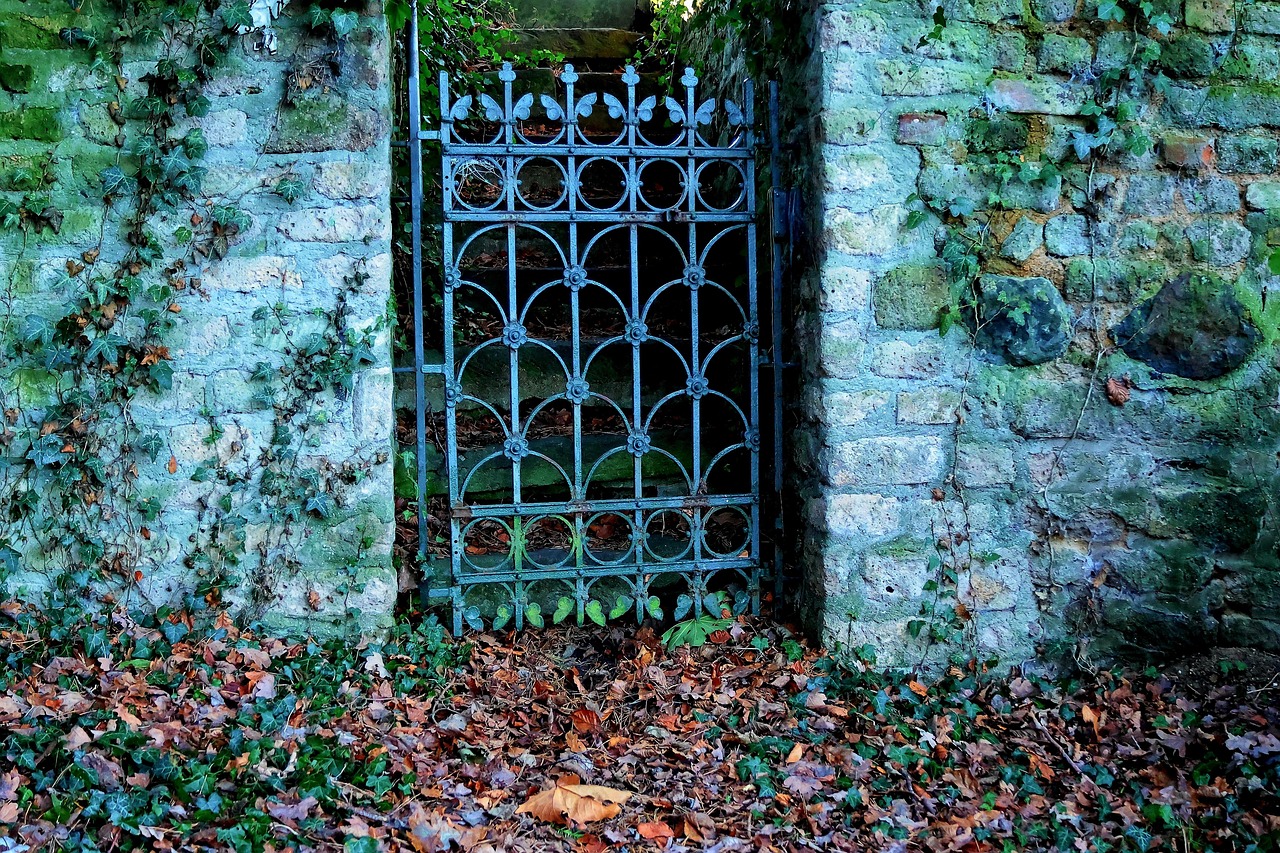
Combining metal with wood, stone or glass can make a gate look custom and intentional, provided one material leads and the others support it. The usual approach is a metal frame that carries the structure, with an infill of wood boards, glass panels or a stone base that adds color and texture. Done well, the mix feels designed. Done carelessly, it looks like parts from different projects bolted together.
Why mix materials at all
Each material has a strength. Steel gives a thin, strong frame that can span a wide opening. Wood brings warmth and a natural grain that softens a hard edge. Stone gives weight and a feeling of permanence. Glass brings light and a modern look. Pairing them lets a gate borrow the best quality of each. In Round Rock, where many homes already use brick, limestone or cedar, a mixed gate can pick up one of those materials and tie the entry to the house.
The risk is complexity. Each added material brings a new joint, a new finish and a new way to age. A good design limits the mix to two, rarely three, materials and gives each a clear job.
Metal and wood
The most popular combination is a steel or aluminum frame with wood infill. The frame is slim and stays square, while the boards give the gate a warm face. Cedar is the usual choice because it handles heat and moisture reasonably well and takes stain nicely. The boards can run vertically, horizontally or in a pattern, and each direction changes the feel. Vertical boards make a gate look taller. Horizontal boards make it look wider and more modern.
The wood needs room to move. Boards expand and shrink with humidity, and a frame that grips them too tightly will crack or bow them. A good design uses small gaps and fasteners that allow slight movement. Keeping the wood off the bottom edge of the frame, with a metal rail beneath it, helps prevent water from wicking up the boards. The wood also needs a protective finish, renewed every few years, to prevent graying in the sun.
Metal and stone
Stone and metal pair most often at the posts. Limestone, a favorite across Central Texas, is a warm tan that looks handsome beside dark iron. Brick works similarly in older neighborhoods. A stone or brick column on each side of a driveway gate gives the entry a solid frame, and the metal leaf hangs between them as the lighter element. The proportions matter: columns that are too thin look weak, and columns that are too fat swallow the gate.
Stone can also form a low wall under a metal gate or fence, with the iron rising above it. This keeps the bottom of the gate away from splashing water and gives the entry a sturdy base. A cap stone on top of the wall ties the pieces together. Detail at the junction, where the metal meets the stone, deserves care so that no gap or visible bolt spoils the look.
Metal and glass
Glass panels in a metal frame suit contemporary homes and are often used in pedestrian gates and entry courtyards. They allow light and views while giving a clean line. Tempered or laminated glass is the safe choice, and it should be set in a frame with proper gaskets so it does not rattle or leak. Frosted or textured glass adds privacy while still passing light. For a driveway gate, glass is rarer because of the weight and the risk of impact, but a small glass panel in an otherwise solid gate can be a striking accent.
Glass shows dirt and water spots in a way other materials do not. In Central Texas, hard water can leave a mineral film, so the design should allow easy cleaning. Panels set within reach, with smooth frames, are far simpler to maintain than tall panels in tight sections.
Principles for a good mix
- Let one material lead. The others should support it in a clear secondary role.
- Repeat a color or texture elsewhere on the property so the mix feels connected.
- Use the metal frame as the thread that runs through the design, so the gate reads as one piece.
- Keep joints clean and visible details few. Exposed fasteners should be intentional.
- Plan for each material's maintenance, because they age at different rates.
Color and finish across materials
When materials meet, finish becomes critical. A black frame with natural cedar looks crisp. A bronze frame with a dark stain looks rich and warm. A bright white frame next to weathered wood can look strange unless the wood is intentionally painted. It helps to bring physical samples together in daylight before deciding, since color on a screen rarely matches color in the sun.
Texture also matters. A smooth powder coat next to rough limestone creates a contrast that looks good, while a heavily textured coat next to rough stone can look muddy. Matte finishes tend to blend better with natural materials, and gloss tends to pair with glass and sleek surfaces.
Practical issues with mixed gates
Weight is the main practical concern. Wood and stone infill add weight, so hinges, posts and any operator must be sized for the total. Water management matters as well. Where two materials meet, water can collect, and the design needs small drain paths so it does not sit and cause rot or rust. Differences in expansion can open gaps over time, so connections should allow movement.
Owners should also think about repair. A single wood board that has warped can be replaced if the frame is built to allow it. A cracked glass panel should be replaceable without cutting the frame. Choosing a design that anticipates these small repairs saves trouble years later.
Where mixed gates fit around Round Rock
Ranch style and craftsman homes suit steel with cedar. Stone fronted homes suit iron between limestone piers. Modern homes suit steel with frosted glass or horizontal slats. The best test is to look at what the house already uses and bring one of its materials into the gate. That repeated material connects the gate and the building and makes the entry look planned rather than added later.
Two related pages on this site go further: steel frames with cedar infill, and stone pillars paired with metal gate leaves. Each takes one of the combinations above and looks at it in detail.
Readers who want more practical gate guidance for projects in this part of Texas can find it at round rock metal gates files, where local articles cover design, rules and care in more detail.