Home / Privacy Gates and Side Gates for Round Rock Backyards
Privacy Gates and Side Gates for Round Rock Backyards
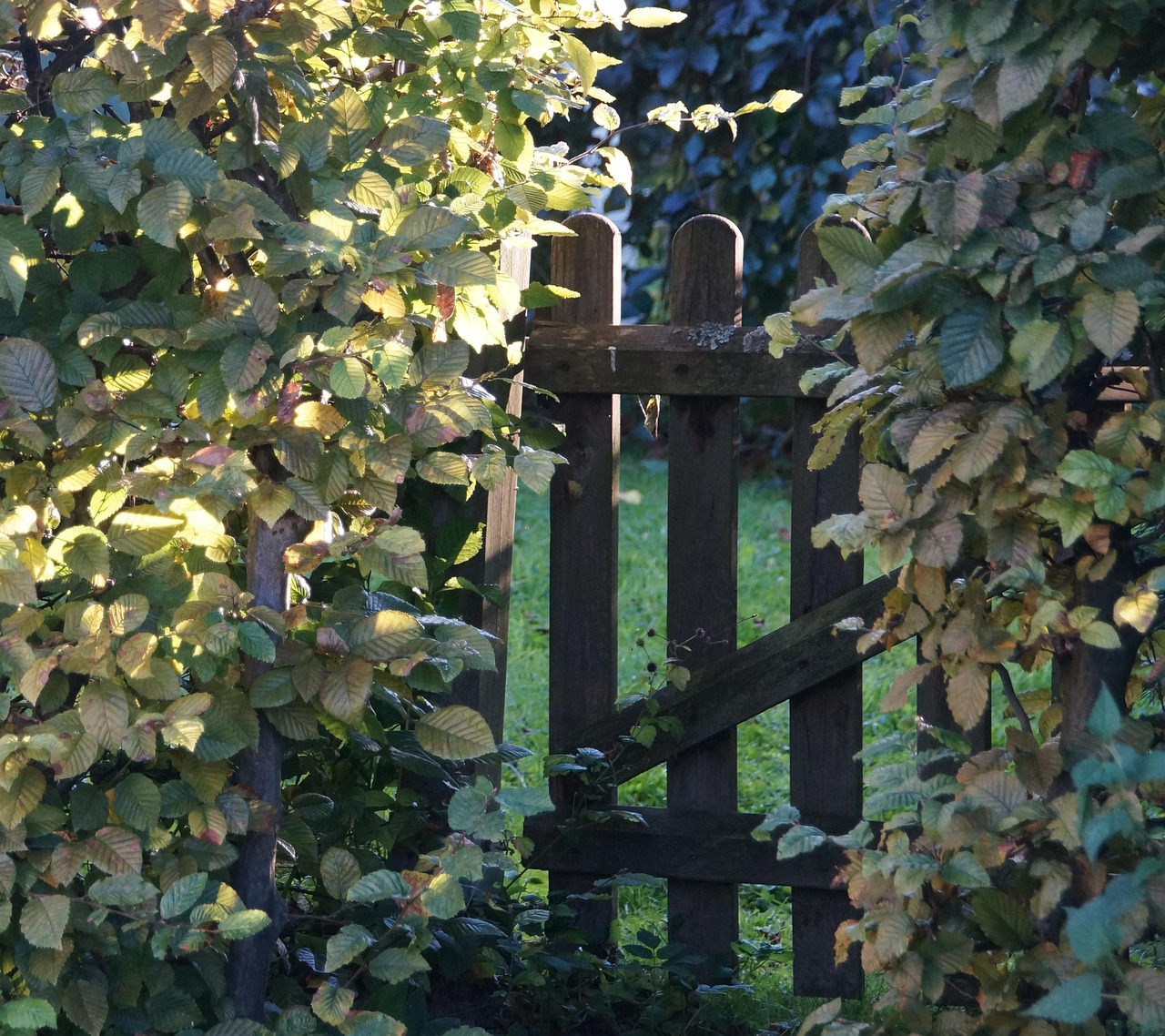
A privacy gate for a Round Rock backyard should do two jobs at once: block the view from the street or the neighbor, and look finished from both sides. The design choices that decide this are the fill pattern, the height, the gaps at the top and bottom, and the way the gate joins the fence beside it. Solid plate gives the most screening, slatted fill balances privacy with airflow, and perforated panels sit between the two.
Side gates are the most overlooked metal work on a house. They sit at the edge of the front yard, they are opened every week, and they connect the public face of the home to the private yard behind it. In Round Rock, where many homes sit on lots with a narrow side yard for the hose, the trash bins and the air conditioning unit, the side gate often decides how tidy the whole front looks.
Why metal works for side and backyard gates
Wood gates do well in the first few years and then face a long fight with the Texas sun, afternoon storms and ground moisture. Boards warp, hinges sag and the whole panel slowly leans. A steel or aluminum frame holds its square far longer, so the latch lines up year after year. Metal also lets a designer choose how much of the gate to close up. A wood gate is almost always solid. A metal gate can be open at the top for light and air, solid in the middle for privacy and cut with a pattern for interest.
Metal is not free of trouble. Steel needs a good coating to resist rust, and aluminum needs a thick enough frame to avoid flex. Both choices work well when fabricated with care, and the more important point for style is that the frame can be a visible design element instead of something hidden behind boards.
Solid plate privacy
A gate with a solid steel plate gives the highest level of screening. It blocks the view of a pool, a play area or a work yard completely, and it also blocks a good deal of street noise. The design challenge is that a large flat panel can feel heavy and blank. Solutions include a shallow reveal around the edge of the plate, a slightly raised border, or a narrow band of open pickets across the top to lighten the look.
Solid plate also catches wind like a sail. On a tall gate this matters, and the frame and hinges must be sized to handle it. Storms in this part of Texas can arrive with strong gusts, and a solid panel that is poorly braced can twist over time.
Slatted fill
Horizontal or vertical slats set with a small gap give a warm, contemporary look. They block most direct lines of sight and let air move through. Slats can be steel, aluminum or a mix, and a wood look aluminum slat is popular on modern homes. Horizontal slats suit wide, low gates, and vertical slats make a tall gate feel taller. The gaps are what matter: tight gaps give nearly full privacy, and wider gaps give a lighter, more open feel.
One detail owners often notice only after installation is the angle of view. Slats set in a plain flat plane let a person look through at an angle. Slats that are slightly tilted, like a louver, block that angle. If privacy from a nearby window or a second story is the goal, the tilt is worth asking about.
Perforated and cut patterns
A panel cut with a pattern of holes, leaves or lines gives privacy that changes with the light. During the day the pattern throws shadows on the ground. At night, with a light behind it, the panel glows. The scale of the cut matters: a fine pattern reads as texture from far away, while a large pattern reads as a picture. Owners who want some view through the gate, such as a glimpse of a garden, often choose a pattern with a large open ratio near the top and a smaller one near the bottom.
Height and the transition to the fence
A side gate should line up with the fence beside it. If the fence is wood and the gate is metal, the tops should meet at the same height, and the two should be separated by a post that looks deliberate. A common design is to set a stone or metal post between the gate and the fence so the change of material happens at a natural break. Where a gate rises above the fence on purpose, the step should be clear and the gate should look taller by design.
The gap at the bottom deserves thought. Too small a gap and the gate scrapes on uneven ground or a drift of leaves. Too large a gap lets small pets out and spoils the sense of privacy. Many Round Rock yards slope gently toward drainage, and a gate that follows that slope with a racked bottom rail can look better than one that tries to stay perfectly level.
Looking good from both sides
The inside of a backyard gate is seen daily, often more than the outside. A good gate has the same finish on both faces, clean welds on the inside, and hardware that is neat from either direction. Flat plate gates sometimes show their framing on one side only, and a double sided design, with the plate centered in the frame, gives a finished look on both faces.
- Choose the same coating color on both faces so the gate does not look half done.
- Check that the latch can be reached from both sides without a fumble.
- Look at the gate from the backyard, not only from the street, before approving the drawing.
- Keep the hinge side tidy with a post that matches the design of the gate.
Fitting a gate into an existing backyard
Backyards in Round Rock often hold a pool, a pergola or a patio with outdoor furniture that is already in place. A new privacy gate should fit with those, with a color that agrees with the furniture frames or the pergola posts. If the yard backs up to Brushy Creek or another open space, a gate with some openness looks better than a solid wall, because it keeps the sense of the view. Where neighbors are close, the opposite choice works: a solid panel creates a quiet, enclosed space.
Planting helps. A climbing vine on a pergola next to the gate, or a row of evergreen shrubs along the fence, softens the edge and makes the gate feel integrated. A plain steel panel against a green backdrop looks crisp and modern, and an ornamental iron gate against the same backdrop looks classic.
A short planning path
Begin by listing what the gate needs to hide: a pool, a driveway view, a neighbor's window. Then decide how much airflow and light the yard needs. Match the fill to those needs, set the height to the fence line, and choose a finish that agrees with the house. That sequence produces a gate that works, looks right and does not need to be redone.
Because the side gate is used so often, it also earns attention to small things. Soft closing hardware, a smooth latch and a gate that swings without dragging make daily life easier. A gate that looks good and feels good in the hand is one the owners will enjoy for years.