Home / Pedestrian Gates and Walk Through Entries
Pedestrian Gates and Walk Through Entries
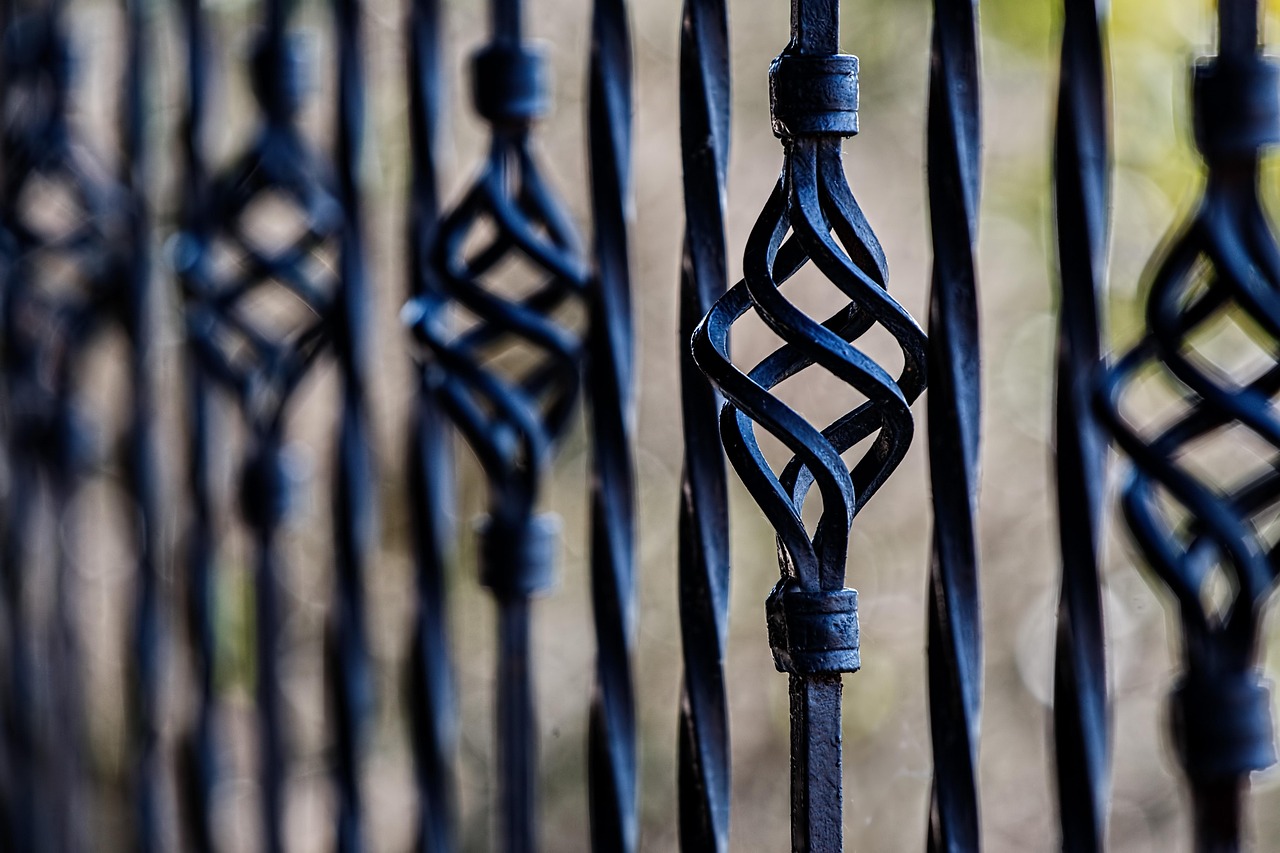
A pedestrian gate is the small gate people actually walk through every day, and it deserves more design attention than its size suggests. It might sit beside a driveway gate, at the end of a front walk, or on the side of the house. It is the closest gate to most visitors, so its latch, hinges and proportions are seen up close. A well designed walk through gate makes the entry feel welcoming and finished.
Where pedestrian gates go
Around Round Rock the common locations are three. The first is beside a driveway gate, so people can enter without opening the large gate. The second is at the front walk, where a low gate marks the edge of the yard and gives the entry a sense of arrival. The third is at the side of the house, leading to the backyard. Each location has a different purpose and calls for a different design.
A gate beside a driveway gate should echo its pattern, finish and height so the two read as a pair. A front walk gate can be lighter and more decorative, since it is seen against the house and garden. A side gate is often plainer and more functional, though a little care in its finish pays off.
Width and height
The opening needs to be wide enough for a person carrying something, a stroller, or a wheelbarrow, and comfortable to pass through with a friend. Most walk gates are made a little wider than a bare minimum so they never feel tight. Height follows the fence or the drive gate beside it. At the front walk, a lower gate looks friendly, while a taller gate looks more formal and creates a sense of enclosure.
The ground under the gate also matters. Many front walks slope slightly toward the street, and a gate that swings inward needs clearance as it opens over the rising ground. A gate that swings toward the house and lands on a step will not work. Planning the swing arc against the walk, steps and plantings avoids surprises.
Design styles for walk gates
Pedestrian gates can use any of the styles seen on larger gates. A traditional design might have a gentle arch with simple scrolls. A cottage style design might use a flat top with a row of pickets that rise to a point. A modern design might use a thin frame with horizontal bars or a perforated panel. Because the gate is small, the pattern needs to be simple. A detail that looks bold on a wide gate can look cluttered on a narrow one.
An arched top often pairs nicely with a front door that has an arch or a rounded transom. The echo makes the walk and entry feel connected. For homes with strong horizontal lines, a gate with horizontal rails looks natural.
Posts, columns and the frame around the gate
A walk gate looks best when it is framed by something. This can be a pair of stone or brick columns, a pair of metal posts with decorative caps, or a landscaped opening in a hedge. Without framing, a small gate can look like it floats. With framing, it becomes an architectural feature. Columns should be sized to the gate: tall enough to look intentional, but not so massive that they overpower a small opening.
Overhead elements such as an arbor or a trellis can add charm, particularly in front of a cottage style home. A climbing rose or a flowering vine over the gate softens the metal and adds seasonal color. In Central Texas, plant choice should match heat and sun, but many woody vines and flowering shrubs do well along an entry.
Hardware as part of the look
Because people touch the gate, hardware is seen and felt. A latch should be easy to operate with one hand, and a handle should feel solid. Hinges can be hidden for a modern look or exposed and decorative for a traditional one. A self closing hinge keeps the gate from being left open, which is useful where small pets or children are around. The finish on hardware should match or deliberately contrast with the gate, and mixing too many finishes looks disorganized.
- Match latch and hinge finish to the gate color.
- Choose a handle that fits the style, such as a ring pull for traditional or a flat bar for modern.
- Check that the latch works smoothly after the coating is applied.
- Make sure the gate closes gently and does not slam against the post.
Lighting and the approach
A gate at the front walk is seen at night, and good lighting makes it welcoming. A small light on a column or a path light that grazes the metal can highlight the pattern and show the latch. Warm, low level light is usually best, because bright glare makes a gate look harsh. Lighting also helps guests find the latch in the dark, a small detail that makes the entry feel considerate.
The path beyond the gate should be planned with it. A gate that opens to a well laid walk, with edging and plantings, looks intentional. A gate that opens onto bare ground looks unfinished. Pavers, flagstone or a curved concrete path all frame a gate effectively.
Maintenance and use
Walk gates are used often, so wear shows first at the hinges and the latch. A good design uses quality hinges and a latch with some adjustment, so that small shifts in the post can be corrected. Regular washing keeps the finish bright. In a heat heavy climate like Round Rock, the part of the gate facing the afternoon sun may fade faster, so a durable coating matters.
It also helps to think about how the gate handles weather. A gate that swings freely in wind can bang against a post. A simple stop, either a metal pin or a small bumper, protects the finish. In storms or heavy rain, drainage holes in lower frame members keep water from pooling inside.
Pairing with other entries
Where a house has several entries, such as a driveway gate, a front walk gate and a side gate, they should look related without being identical. A shared finish, repeated hardware and a similar picket spacing tie them together. Variation in height or pattern keeps them from looking monotonous. This family approach gives the property a coherent look and makes each gate look intentional.
Two related pages go deeper on this subject: garden gate styles for front walks, and latches and hardware that suit the design. Both look at how small choices change the feel of an entry.
Anyone who wants to see how design choices play out in real projects can read local gate articles at round rock metal gates files, which cover materials, rules and upkeep for homeowners planning a new entry.